5 Things to Observe When Your Rabbit Isn't Eating
Published / Updated
This article is based on literature research by our editorial team and has not been individually reviewed by a veterinarian. References are listed at the end of the article.
Note: This article is not veterinary advice. It is an editorial summary of publicly available guidance from established rabbit-welfare organizations, intended as a reference for daily observation at home. If you notice changes that concern you, please contact an exotic-animal-capable veterinarian as soon as possible.
Why appetite matters so much in rabbits
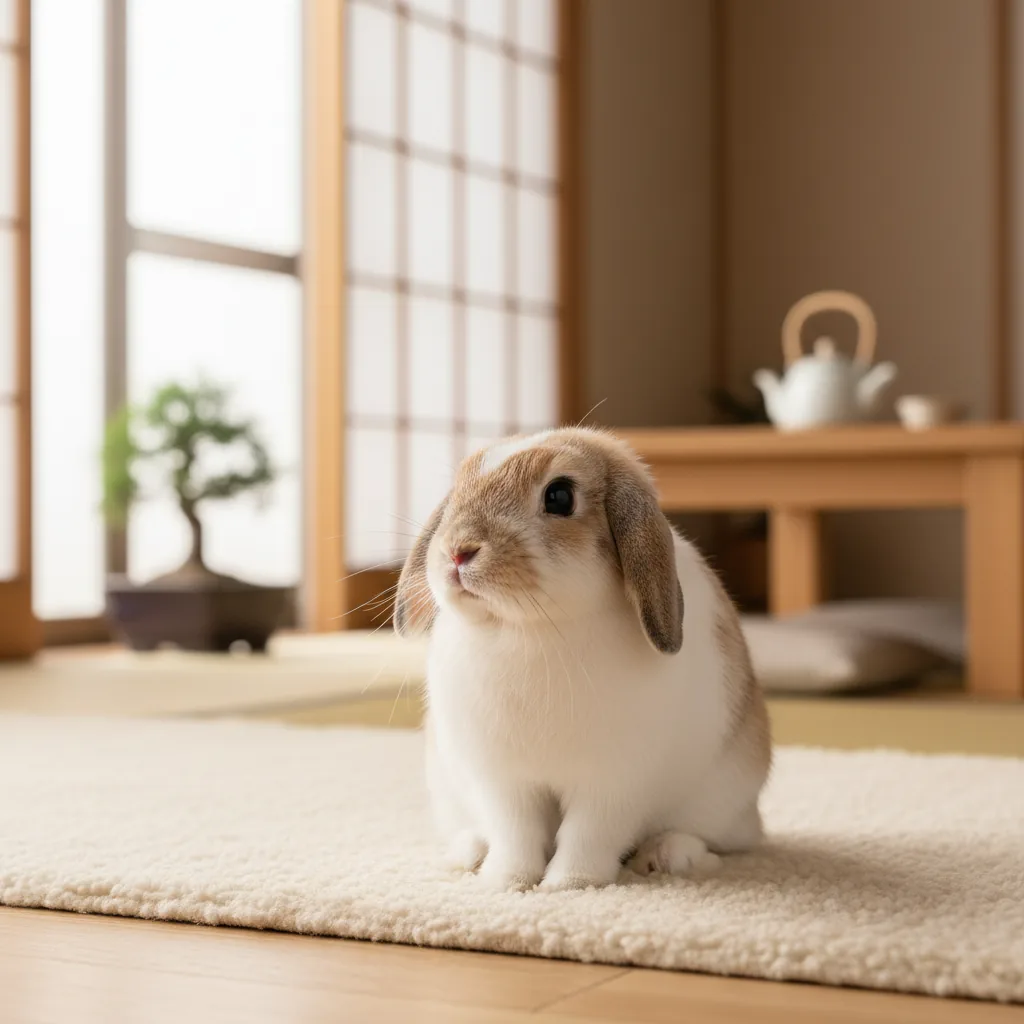
Rabbits rely on a continuously moving digestive system, and a drop in food intake is widely recognized as a readable early sign of trouble (House Rabbit Society, RWAF). Noticing small changes before things escalate is the key.
5 things to check
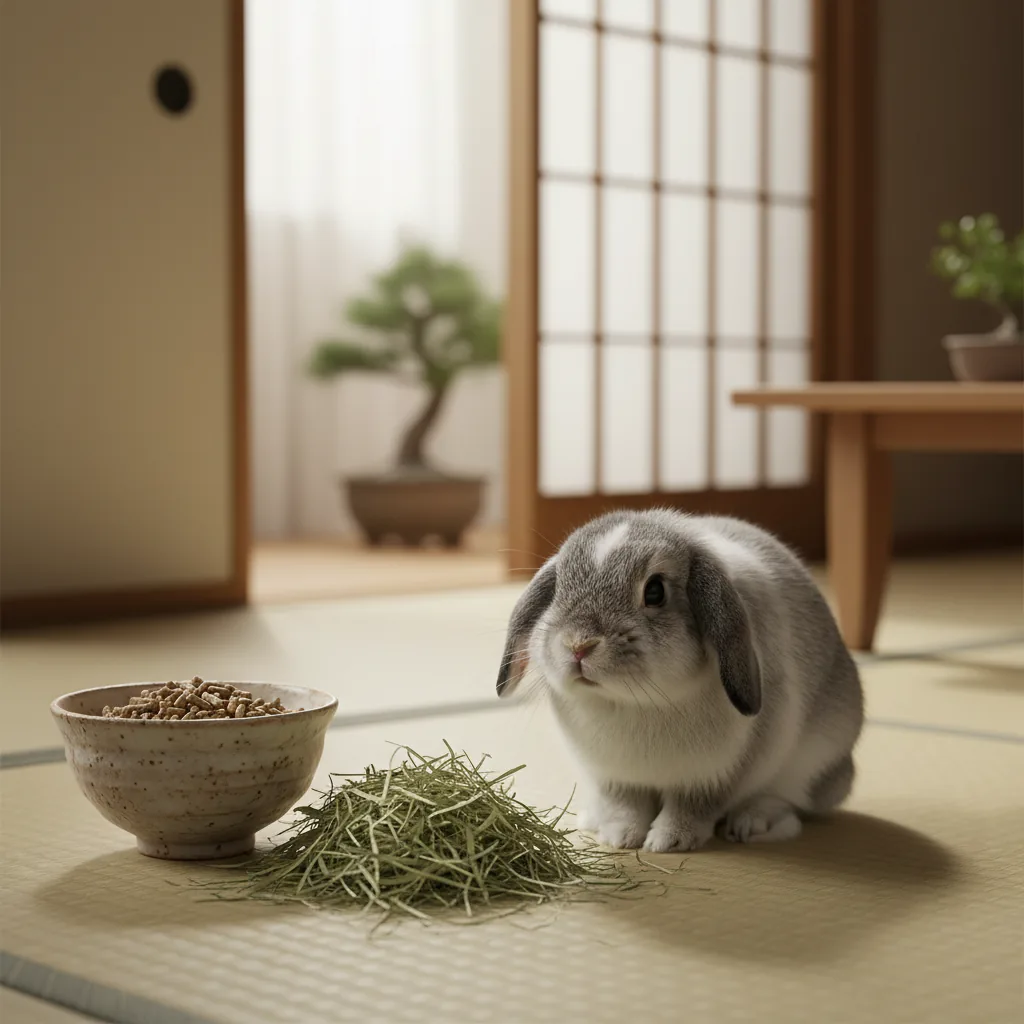
- Food intake: has hay or pellet consumption dropped sharply over the last several hours?
- Droppings: fewer pellets than usual, much smaller, or misshapen?
- Abdomen: looks bloated and taut, or your rabbit reacts to gentle touch?
- Posture and movement: hunched and still, possibly with a grinding tooth sound?
- Whole body: drooling, runny nose, or ears feel cool to the touch?
If any of these stand out, it's generally better to reach out to a vet rather than wait and see.
If the drooling or tooth grinding is what stands out, how to read dental trouble is covered in "Spotting Dental Trouble in Rabbits: Eating, Drooling, Face".
What you can reasonably do at home
- Offer water little and often, using a syringe near the mouth if needed
- Keep the room away from temperature extremes (20–24°C / 68–75°F is commonly suggested)
- Do not force-feed or medicate without veterinary guidance
Picking the right vet
- Confirm in advance that the clinic handles exotic animals or specifically rabbits
- Know where you would go for after-hours or weekend care
- If you don't have a regular vet yet, building a shortlist via public clinic directories while your rabbit is healthy makes emergencies much easier
Everyday prevention
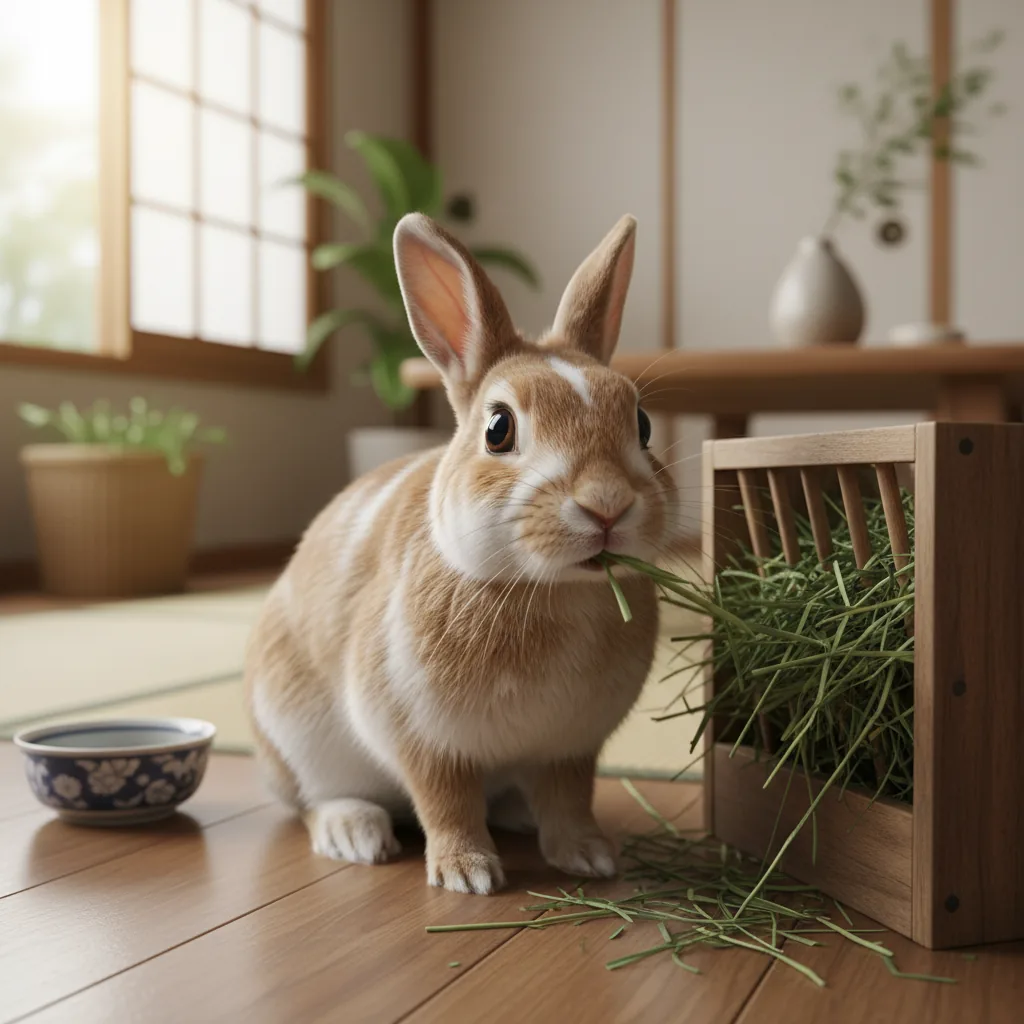
- Make hay the foundation of the diet
- Keep a rough feel for how much water and food is consumed daily
- Log weight, droppings, and appetite consistently so small changes stand out
The usagi Diary app lets you record weight, food intake, and droppings in about 30 seconds a day, so subtle shifts become easier to notice.
Seasonal shifts matter too. See Rabbit Winter Care, Rabbit Heatstroke and Rabbit Shedding Care.
Keep the record in the usagi Diary app
The log you keep is what you show the vet when something changes. Available on iPhone and Android.
Frequently asked questions
How long is it dangerous for a rabbit not to eat?
Not eating for more than 12 hours, or producing no droppings, is a commonly cited threshold for seeing a vet. A rabbit's gut can deteriorate quickly once it slows, so early advice is recommended.
Why does my rabbit eat pellets but refuse hay?
Possible reasons include dental problems that make chewing painful, stale hay, or a variety the rabbit dislikes. If only hay is left untouched, have the teeth checked.
What can I do at home when appetite drops?
Check temperature and humidity, offer fresh hay, and keep the environment quiet. Do not attempt syringe feeding or other interventions on your own judgement — follow your vet's instructions.
Should small droppings alone prompt a vet visit?
Changes in droppings size or amount are treated as a sign that gut movement has slowed. Combined with reduced appetite or low energy, it is safer to seek advice than to wait.
Can stress reduce appetite?
Environmental changes, visitors, loud noises and seasonal temperature swings can temporarily reduce appetite. Because this is hard to distinguish from pain or illness, a vet visit is advised if it lasts over 24 hours.
Related articles
Spotting Dental Trouble in Rabbits: Eating, Drooling, Face
Rabbit Weight: Weekly Weighing and Reading the Change
Rabbit Poop Guide: Size, Count and Caecotrophs
Autumn Moulting in Rabbits: Diet, Weight and Warning Signs
Rabbit Heatstroke: Signs, Prevention, and Safe Summer Setup
Rabbit Shedding Care: Brushing and the Real GI Stasis Risk