Is My Rabbit Cold? Reading the Signs in Their Body Language
Published
This article is based on literature research by our editorial team and has not been individually reviewed by a veterinarian. References are listed at the end of the article.
Note: This article is not veterinary advice. It is an editorial summary of publicly available information on rabbit body language. If you notice shivering, unsteadiness, appetite loss or fewer droppings, please contact a rabbit-savvy exotic veterinarian promptly.
How can I tell my rabbit is feeling cold?
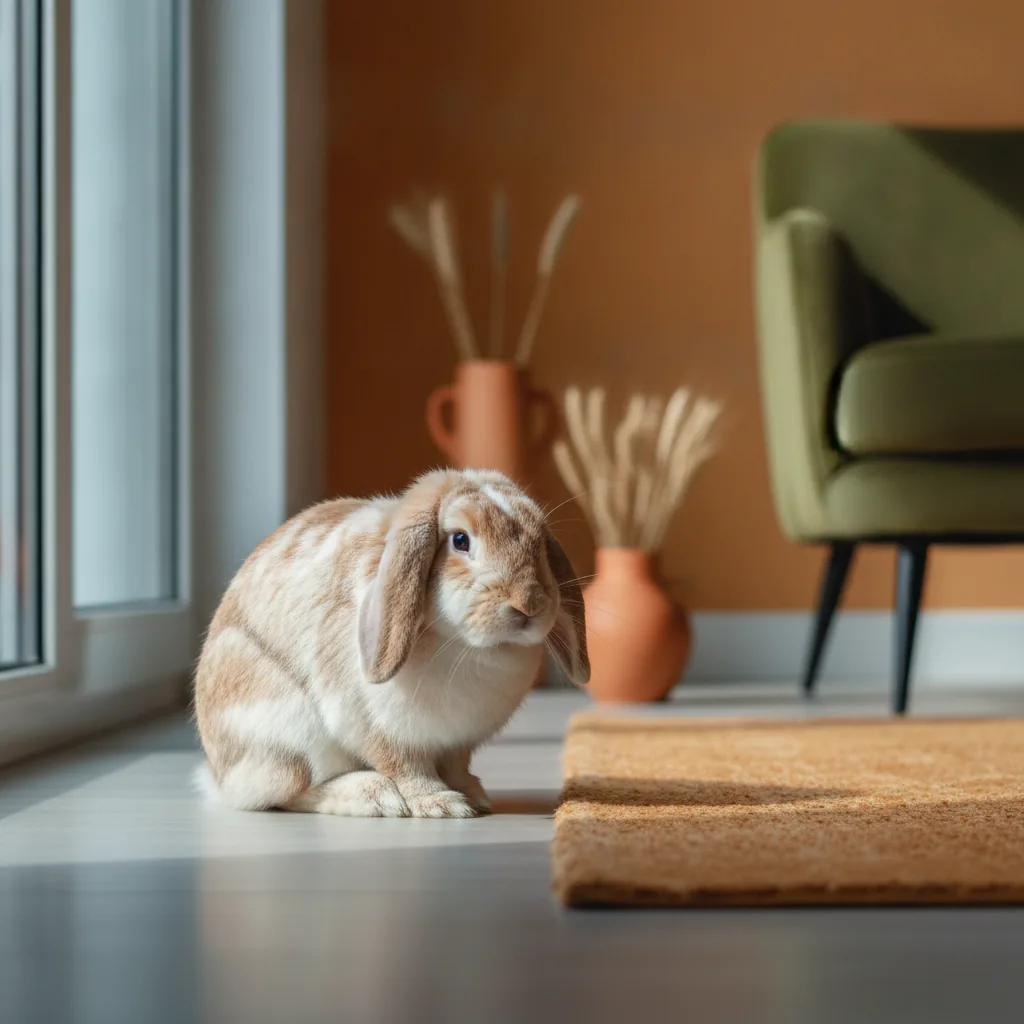
Sitting hunched in a corner with the paws tucked underneath, ears that feel colder than usual, and noticeably less movement. These are the commonly cited signs.
Japan's anicom guidance names two concrete observations: the rabbit curls up in a corner of the cage with its paws tucked under the body, and the ears feel colder to the touch than normal.
The UK's PDSA adds an important caveat: ears flattened tightly against the body can also mean the rabbit is stressed or anxious. The same gesture has more than one reading.
Rabbits hide discomfort, so body language is one of the few clues available. That makes it all the more important not to settle on a cause from a single sign. For how to read gestures in general, see 5 Reasons Rabbits Thump.
Do cold ears always mean the rabbit is cold?
A rabbit's ears are its heat-release organ. In the cold, circulation is reduced and the ears cool down; in heat, they warm up.
Rabbits cannot sweat. Instead they regulate temperature through thin, heavily vascularised ears, which makes ear temperature a readable window into how they feel.
That said, ear temperature only means something if you know the baseline. Without the habit of touching the ears regularly, cold cannot be told apart from normal.
If the ears are hot and breathing is rapid, that points to heat instead. See Rabbit Heatstroke: Signs and Prevention.
Is hunching always about the cold?
No. The same posture appears with pain and digestive problems. Warming the rabbit and leaving it there can delay a needed vet visit.
This is the key point of the article. PDSA lists the symptoms of digestive trouble as: not eating, small or absent droppings, a hunched posture, teeth grinding, and bloating. The posture is common to both states.
PDSA also describes the tense posture this way: the rabbit goes into a crouch or flattens against the ground — as if trying not to be seen while staying ready to run. Fear, too, can look like hunching.
How do I tell cold apart from feeling unwell?
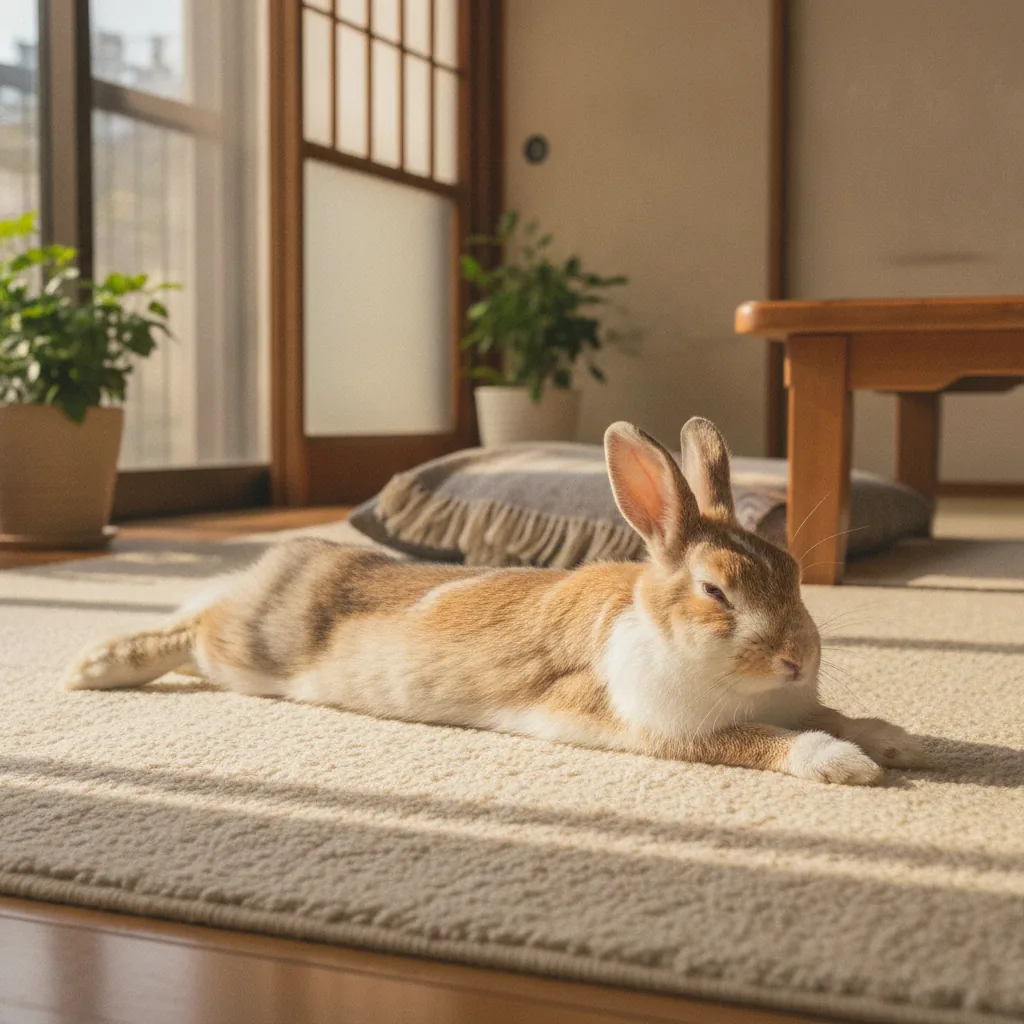
Three checks: is the nose twitching, does the rabbit move to a warm spot on its own, and have appetite or droppings changed?
1. The nose
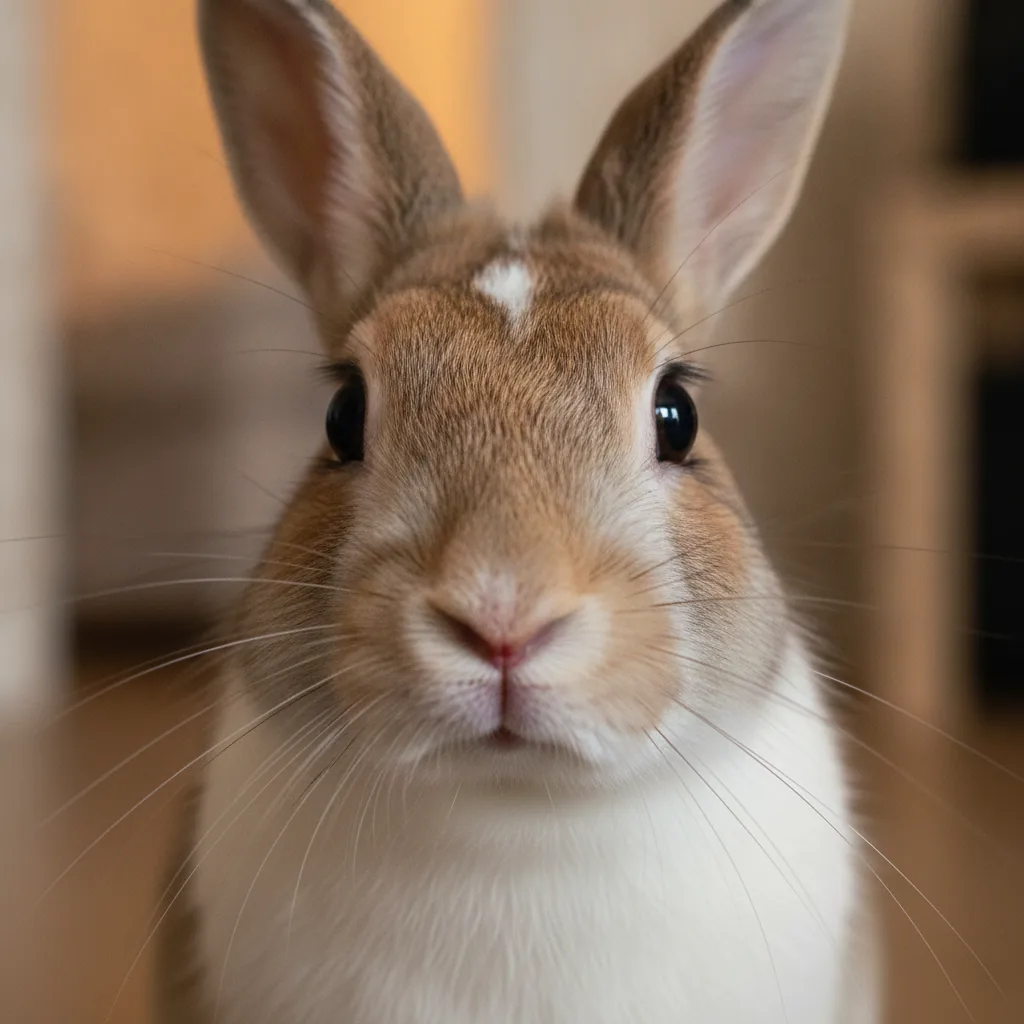
PDSA puts it plainly: "Happy and content rabbits will be constantly wiggling and twitching their noses." Conversely, a rabbit sitting tucked up and quiet, chin tucked in and noses not twitching, is described as a sure sign of feeling unhappy or stressed. The nose is a practical, purely visual indicator.
2. Moving to warmth
If cold is the reason, the rabbit will move to a warm area once you provide one. Staying put suggests something else.
3. Appetite and droppings
Simple discomfort from cold usually leaves appetite intact. If the rabbit is not eating, or droppings are small or absent, consider the digestive tract. For a structured check, see 5 Things to Observe When Your Rabbit Isn't Eating.
Which rabbits get cold most easily?
Young, senior, small, thin and unwell rabbits hold their body temperature less well and are described as higher risk.
PDSA states that "pets that are very young, small, elderly, skinny, or poorly are at high risk" because they regulate temperature less effectively. At the same room temperature, not every rabbit feels the same.
For reference, normal body temperature is 38.6–40.1°C (PDSA). Signs of hypothermia include shivering, drowsiness, confusion and clumsiness, pale gums, and loss of consciousness.
Getting cold while wet is particularly dangerous — damp fur draws heat away very quickly.
What should I do when I see these signs?
Measure temperature and humidity first, then offer a warm area the rabbit can choose. After that, check the nose, appetite and droppings — and see a vet if anything has changed.
Put the thermo-hygrometer at cage height. What feels fine at head height says nothing about the floor. The cited comfortable range is 18–24°C at 40–60% humidity (anicom).
There is a principle to warming. RWAF recommends offering two sleeping areas and heating only one, because "if your rabbits find it too hot in their sleeping area then they will leave it and may become too cold outside." Warmth with no escape is a risk. For the practical setup, see Rabbit Winter Care.
If hypothermia is suspected, PDSA advises drying the rabbit, warming it gradually with blankets, offering lukewarm water if conscious — and taking it "to the vet to be properly checked over, even if you think they're okay." Never warm abruptly, and do not attempt measures such as syringe feeding on your own judgement.
Keeping records makes next winter easier
"Different from usual" only means something if you know the usual. Knowing your rabbit's normal body language is the one way to notice changes early.
usagi Diary records meals, droppings and weight in about 30 seconds. Log the temperature and any gestures that caught your eye, and over the years you will see exactly when your rabbit starts curling up — which makes the next season far calmer to prepare for.
If something worries you, do not wait it out — contact your veterinary practice.
Keep the record in the usagi Diary app
The log you keep is what you show the vet when something changes. Available on iPhone and Android.
Frequently asked questions
Is my rabbit hunched up because it is cold?
Hunching is a known cold sign, but the same posture appears with pain or digestive trouble. Check whether the nose is twitching and whether appetite or droppings have changed.
Should I worry if my rabbit's ears feel cold?
Ears release body heat, so circulation drops in the cold and they cool down. Knowing the normal ear temperature lets you spot changes, but never judge on ears alone.
Do rabbits shiver when they are cold?
Shivering is listed as a sign of hypothermia. Combined with unsteadiness, drowsiness or pale gums it is an emergency and needs immediate veterinary attention.
At what temperature do rabbits start to feel cold?
For indoor housing, 18–24°C is the cited comfortable range. Individuals differ, though: young, senior and thin rabbits feel cold sooner at the same room temperature.
Can I warm a cold rabbit up straight away?
Avoid warming abruptly. Offer both a warm area and a normal one and let the rabbit choose. If hypothermia is suspected, a vet check is advised even after apparent recovery.
Related articles
References
- Understanding rabbit body language / PDSA (People's Dispensary for Sick Animals, UK) (accessed 2026-09-13) Link
- Hypothermia in Pets / PDSA (People's Dispensary for Sick Animals, UK) (accessed 2026-09-13) Link
- Rabbit Behaviour & Body Language / RSPCA (UK) (accessed 2026-09-13) Link
- Keeping Outdoor Rabbits Warm in Winter / Rabbit Welfare Association & Fund (RWAF, UK) (accessed 2026-09-13) Link
- 寒さ対策は大丈夫?うさぎが寒がらないようにするにはどうしたらいい? [Is your cold-weather care enough? How to keep a rabbit from getting cold] / anicom Encyclopedia of Living with Rabbits (Anicom Insurance, Japan) (accessed 2026-09-13) Link